






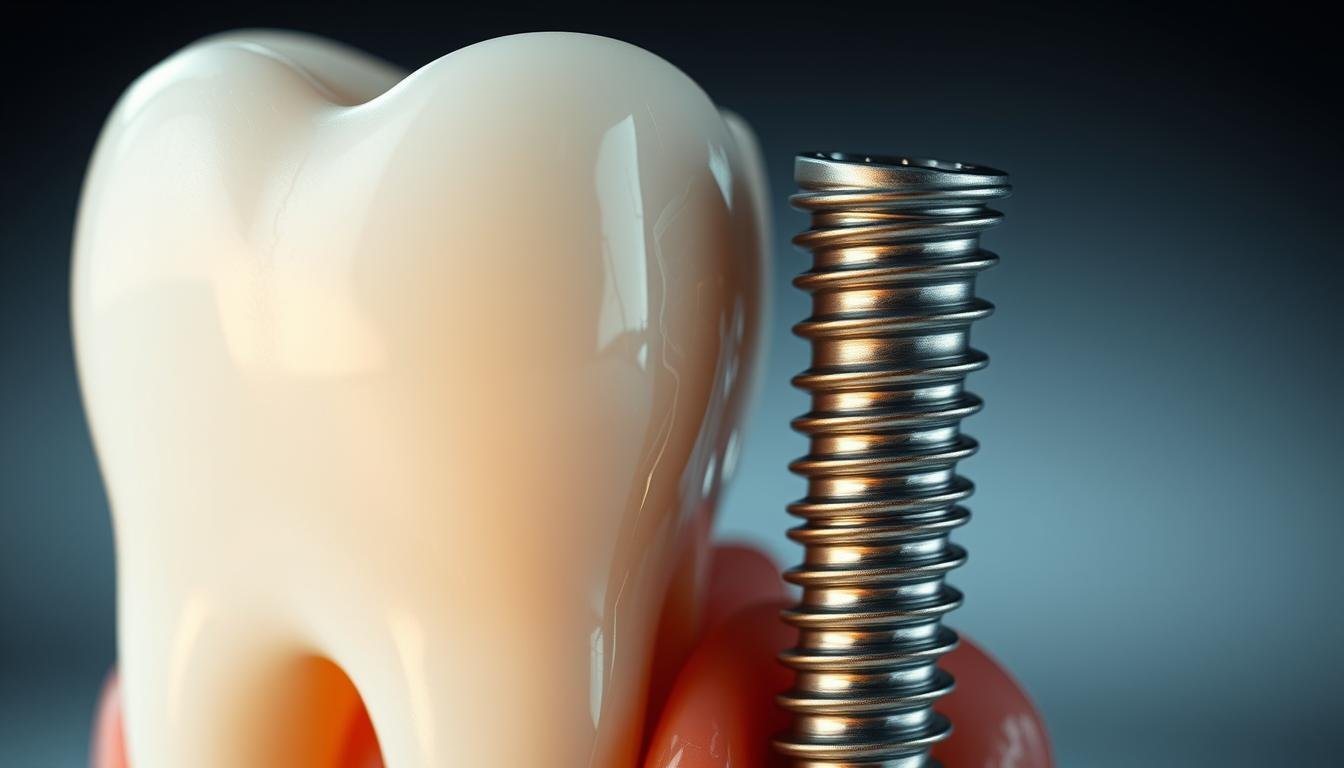
Why Dental Implants Look and Feel More Natural Than Bridges
Sarah never thought it would happen to her. One moment she was enjoying a family barbecue, the next she bit into something hard. A sudden crack, and her front tooth was gone. She felt embarrassed and worried about her smile.
According to Fixed Dental, a trusted provider of dental implants in Kyle, Sarah’s story is more common than you might think. Nearly 70% of adults ages 35-44 have lost at least one permanent tooth, reports the Global Foundation for Oral Rehabilitation. Accidents, gum disease, and tooth decay affect millions of people.
When you face missing teeth, you have important choices to make. Which replacement option will give you back your confidence? How do you decide what’s best for your oral health?
This guide will help you understand your options clearly. We’ll explore what makes some solutions feel like your original teeth. You’ll learn about the key differences in simple terms.
Many patients find this information helps them talk confidently with their dentist. By the end, you’ll know which choice might be right for your unique situation and smile.
Understanding Dental Implants and Dental Bridges
Getting a clear picture of each procedure helps you know what to expect at the dentist. They work on very different principles.
Defining Dental Implants
A dental implant replaces your missing tooth from the root up. A small titanium post is placed into your jawbone. This acts as a new, artificial root.
Your bone naturally fuses with this post over time. This creates an incredibly strong foundation. A custom-made crown is then attached to the top, completing your new tooth.
Exploring What Dental Bridges Are
Dental bridges take a different approach. Think of them like a literal bridge spanning a gap. They use the teeth on either side for support.
The adjacent teeth are prepared to hold the bridge in place. The artificial teeth in the middle fill the space. This solution sits on top of your gums.
It’s a non-surgical option that relies on your surrounding teeth for stability. This fundamental difference impacts long-term health and feel.
Benefits of Dental Implants
The advantages of choosing implants go far beyond just filling a gap in your smile. They offer benefits that affect your daily comfort and long-term oral health.
Natural Appearance and Integration
These replacements blend seamlessly with your smile. The custom crown matches your existing teeth in color, shape, and size. This creates a uniform appearance that’s hard to distinguish from your original teeth.
The titanium post integrates with your jawbone through a process called osseointegration. Your gum tissue grows around it naturally, just like with real tooth roots. There’s no slipping or need for adhesives.
Longevity and Stability
One major advantage is how implants preserve your jaw’s bone structure. When a tooth is missing, the bone beneath can deteriorate from lack of stimulation. These replacements prevent this bone loss by acting like natural tooth roots.
With proper care including regular brushing and flossing, implants last about 25 years. Many people enjoy them for a lifetime. This stability supports your facial structure and maintains a youthful appearance.
You can eat, speak, and smile with complete confidence. The secure fit means no worries about movement when enjoying your favorite foods.
Comparing Procedures and Recovery
When considering tooth replacement, the treatment journey itself is a major deciding factor. The process for each option follows very different paths. One involves surgery while the other offers a simpler approach.
Which timeline fits better with your life? Let’s examine what actually happens during each procedure.
Surgical Process vs. Non-Invasive Approaches
The implant option requires oral surgery. A titanium post gets placed directly into your jawbone during a procedure lasting one to two hours. This creates a strong foundation for your new tooth.
Meanwhile, the bridge process is completely non-surgical. Your dentist prepares the adjacent teeth during the first visit. The custom bridge gets cemented in place during the second appointment.
No surgery means this option feels much simpler for many patients. The entire bridge process typically completes in just two dental visits.
Healing Time and Post-Procedure Care
Recovery time differs dramatically between these choices. After implant surgery, your jaw needs two to six months to heal completely. The bone must fuse with the titanium post through osseointegration.
During this healing period, you’ll follow specific care instructions. Your gum tissue needs to close properly around the implant site. The final crown can only be attached after full integration occurs.
With bridges, there’s essentially no recovery time. You leave the dental office with your new teeth ready for use. This faster option appeals to people needing immediate solutions.
Your comfort with surgery and availability for follow-up visits should guide your decision. Both approaches effectively restore your smile through different means.
Why Dental Implants Look and Feel More Natural Than Bridges
The secret to a seamless smile lies beneath the surface. It’s not just about the visible crown, but how the replacement interacts with your body.
This deeper connection creates the authentic experience patients desire.
Integration with Jawbone and Gum Health
An implant replaces your missing tooth from the root up. The titanium post fuses with your jawbone through osseointegration.
This creates a stable foundation that feels solid when you chew. Your bone receives necessary stimulation to stay healthy and strong.
Your gum tissue grows around the implant naturally. It emerges from the gumline smoothly, just like your original teeth. This eliminates visible gaps or artificial edges.
Bridges rest on top of your gums and rely on adjacent teeth for support. They often sit slightly above the gumline, which can be noticeable.
The difference becomes clear when you smile widely or speak. One option blends seamlessly, while the other may show subtle telltale signs.
Preserving your facial structure is another important benefit. By maintaining jawbone health, implants help support your natural facial contours over time.
Functional and Aesthetic Considerations
What good is a beautiful smile if you can’t enjoy your favorite foods comfortably? Your replacement teeth need to work well in daily life. Both appearance and function matter equally for your confidence.
Chewing Efficiency and Speech Clarity
Implants function like natural teeth in every way. You can bite into crunchy apples or chew steak without worry. The stable foundation prevents any slipping or movement.
Speaking becomes effortless with this option. Your tongue and lips move naturally around fixed teeth. No awkward adjustments are needed during conversations.
Bridges also restore function quite well. However, they may not handle extremely hard foods as confidently. The attachment to adjacent teeth creates some limitations.
Realistic Smile and Facial Structure Support
Your smile aesthetics improve dramatically with implants. They support your facial structure from within. Bone preservation prevents that sunken appearance that can age your face.
When you lose teeth, bone loss can make cheeks look hollow. Lips may lose their natural support. Implants maintain the underlying bone structure to prevent this collapse.
A bridge doesn’t provide the same structural benefits. It sits on top of the gums without integrating with bone. Over time, continued bone loss can affect your facial appearance.
Cost, Insurance, and Longevity Factors
Let’s talk dollars and sense – how cost factors into your decision about replacing missing teeth. Many people wonder which option makes the most financial sense for their situation.
Budget concerns are completely normal. You want a solution that fits your wallet today and serves you well for years to come.
Upfront Expense vs. Long-Term Investment
Bridges typically cost less initially than implants. This makes them an attractive option if you’re working with a tight budget right now.
However, implants last much longer – about 25 years or more with proper care. Bridges usually need replacement every 5-15 years.
Over time, that “cheaper” bridge might cost you more in replacements. It’s like buying quality shoes that last years versus cheaper ones you replace often.
Insurance Coverage and Maintenance Costs
Most dental insurance plans cover bridges more readily than implants. This can significantly reduce your out-of-pocket expense for the bridge solution.
Maintenance differs too. Implants require the same care as natural teeth – regular brushing, flossing, and dentist visits.
Bridges need extra attention cleaning around and underneath them. This takes more time and special tools to prevent problems.
Talk to your dentist about payment plans if implants interest you. Many practices offer financing to make this long-term solution more accessible.
Combining Solutions for Optimal Dental Health
Did you know you don’t have to pick just one type of tooth replacement? Many people think it’s an either-or decision. But modern dentistry offers flexible combinations.
Sometimes the best approach mixes different solutions. This gives you the benefits of each option where they work best.
When to Consider Both Implants and Bridges
If you’re missing several teeth in different areas, a mixed approach makes sense. Your dentist might suggest implants in one spot and a bridge elsewhere. This customized plan addresses your unique situation.
One popular combination is an implant-supported bridge. Instead of using natural teeth as anchors, implants provide the support. This preserves your healthy adjacent teeth from being shaved down.
You get the stability of implants without surgery for every missing tooth. It’s like getting the best features of both options in one solution.
Your dentist will consider many factors. These include how many teeth need replacement and their locations. Your bone health, budget, and personal preferences also matter.
The goal is always the same: restore your smile and function. Whether you choose one option or a combination, taking action improves your oral health dramatically.
Parting Thoughts for a Healthier Smile
Taking the first step toward restoring your teeth can feel empowering. You’ve explored how different solutions work with your body. Each approach offers unique benefits for your oral health.
Remember that the best choice depends on your personal situation. Your budget, timeline, and comfort level all matter. There’s no single right answer for every patient.
Modern tooth replacement options have transformed dental care. Whether considering a dental implant or other solutions, you have excellent choices. Each can restore function and confidence to your smile.
Don’t let missing teeth delay your happiness. Schedule that consultation with your dentist today. Discuss what feels right for your lifestyle and health goals.
Your future self will thank you for investing in a complete, healthy smile. The journey begins with one simple conversation about your options.