





How Humidity and Salt Air Affect Home Inspections on the Gulf Coast
Living near the water comes with a price that most homebuyers don’t see until an inspector starts poking around. The same Gulf breezes that make Sarasota so desirable are quietly working against every home within miles of the coast, degrading materials and creating problems that simply don’t exist inland.
Gulf Coast Home Inspections offers expert home inspection in Sarasota and sees these coastal-specific issues daily. What looks like a well-maintained home from the street often tells a different story once you examine the systems that keep it running.
The Invisible Assault on Coastal Homes
Salt air doesn’t just smell like the beach. It’s an aerosol containing sodium chloride particles that travel miles inland, settling on every surface and working their way into every crevice. Combined with Florida’s 70-80% average humidity, you have a recipe for accelerated deterioration that affects virtually every component of a home.
This isn’t theoretical. Drive through any Sarasota neighborhood and you’ll see the evidence: green corrosion on outdoor fixtures, rust streaks running down stucco, AC units that look decades older than they are. These visible signs hint at what’s happening behind walls and inside mechanical systems.
How Salt Air Attacks Electrical Systems
Electrical components suffer dramatically in coastal environments. The combination of salt and moisture creates a conductive film on connections, leading to arcing, corrosion, and eventual failure.
What Inspectors Find
Corroded breaker panels are common within five miles of the coast. Even panels installed correctly and up to code develop green and white crystalline deposits on bus bars and breaker connections. This corrosion increases electrical resistance, generating heat that can eventually cause fires.
Outdoor disconnect boxes for AC units and pool equipment fare even worse. Many inspectors have opened disconnects to find connections so corroded they crumble at the touch. Homeowners assume these boxes are sealed, but salt air finds its way in through every gap.
Aluminum wiring connections become especially problematic. Aluminum naturally expands and contracts more than copper, and salt corrosion accelerates the loosening process. Homes built in the 1960s and 70s with aluminum wiring need extra scrutiny in coastal areas.
The Real-World Impact
One Siesta Key home inspection revealed a main panel where every neutral connection had developed a thick layer of corrosion. The homeowner had been experiencing flickering lights and thought it was a utility issue. The panel was less than fifteen years old but looked ancient. Replacement cost: $2,800.
HVAC Systems Take the Hardest Hit
Air conditioning units in coastal Florida work overtime—running nearly year-round in high humidity while being constantly bombarded by salt air. The combination is brutal on equipment.
Condenser Coil Degradation
The outdoor condenser unit is essentially a giant heat exchanger exposed to the elements. Salt air attacks the aluminum fins and copper tubing relentlessly. Within a few years, fins begin to corrode and break off, reducing efficiency. The copper develops pinhole leaks that release refrigerant.
Inspectors in Sarasota regularly see five-year-old condenser units that look fifteen years old. The coils have turned from shiny copper to a dull green, fins are bent and missing, and efficiency has dropped by 30% or more.
Corrosion-Resistant Doesn’t Mean Corrosion-Proof
Many manufacturers now offer “coastal” or “salt-resistant” units with coated coils and upgraded materials. These help, but they’re not immune. The coatings eventually wear, and even stainless steel components can corrode in severe salt exposure.
During inspections, we check for:
– Fin condition and density
– Signs of refrigerant leaks (oil stains, green residue)
– Corrosion on electrical connections
– Condition of the condensate drain and pan
– Base and mounting hardware integrity
The Humidity Challenge Inside
High humidity creates problems beyond just comfort. HVAC systems must remove moisture as well as cool air, and undersized or aging systems can’t keep up.
When indoor humidity stays above 60%, several things happen:
– Mold growth accelerates in dark, cool spaces
– Wood flooring expands and cups
– Drywall absorbs moisture and becomes a breeding ground
– Electronics and appliances degrade faster
– Dust mites thrive, aggravating allergies
Inspectors look for signs that the HVAC system is losing the humidity battle: condensation on windows, musty smells, visible mold on AC vents, and moisture readings above normal in walls and ceilings.
Plumbing Problems Unique to Coastal Homes
Salt air affects plumbing in ways that might surprise homeowners, and Florida’s water chemistry adds another layer of complexity.
Water Heater Deterioration
Standard water heaters in coastal Florida homes rarely last their full rated lifespan. The combination of humid air around the unit and mineral-rich water inside creates a two-front attack.
Tank-style heaters develop rust around fittings and connections years earlier than expected. The sacrificial anode rod—designed to attract corrosive elements—depletes faster in Florida’s water. Once it’s gone, the tank itself starts corroding from the inside.
Tankless units aren’t immune either. Salt air attacks the exterior housing and electrical connections, while hard water scales up the heat exchanger faster than in other regions.
Exterior Hose Bibs and Fixtures
Outdoor plumbing fixtures corrode rapidly in salt air. Inspectors frequently find hose bibs frozen in position from internal corrosion, brass fixtures that have turned green and porous, and outdoor showers where the mixing valve has essentially welded itself in place.
These seem like minor issues until the valve body cracks and you have water gushing behind your exterior wall.
Copper Pipe Considerations
Older Sarasota homes often have copper supply lines, which generally hold up well. However, the combination of Florida’s slightly acidic water and soil conditions can lead to pinhole leaks, especially in homes built between 1970 and 1990 when certain copper pipe formulations were used.
Inspectors look for:
– Green staining on pipes (indicates active corrosion)
– Evidence of previous leak repairs
– Water pressure consistency
– Condition of visible fittings and valves
Roofing and Structural Concerns
Salt air affects roofing materials differently than inland conditions, and Florida’s humidity creates additional challenges.
Metal Components Fail First
Every roof has metal components: flashing around penetrations, drip edges, valley linings, and fasteners. In coastal environments, these fail before the roofing material itself.
Galvanized steel flashing develops rust spots within a few years. Aluminum holds up better but eventually pits and weakens. Even stainless steel fasteners can corrode where they contact dissimilar metals.
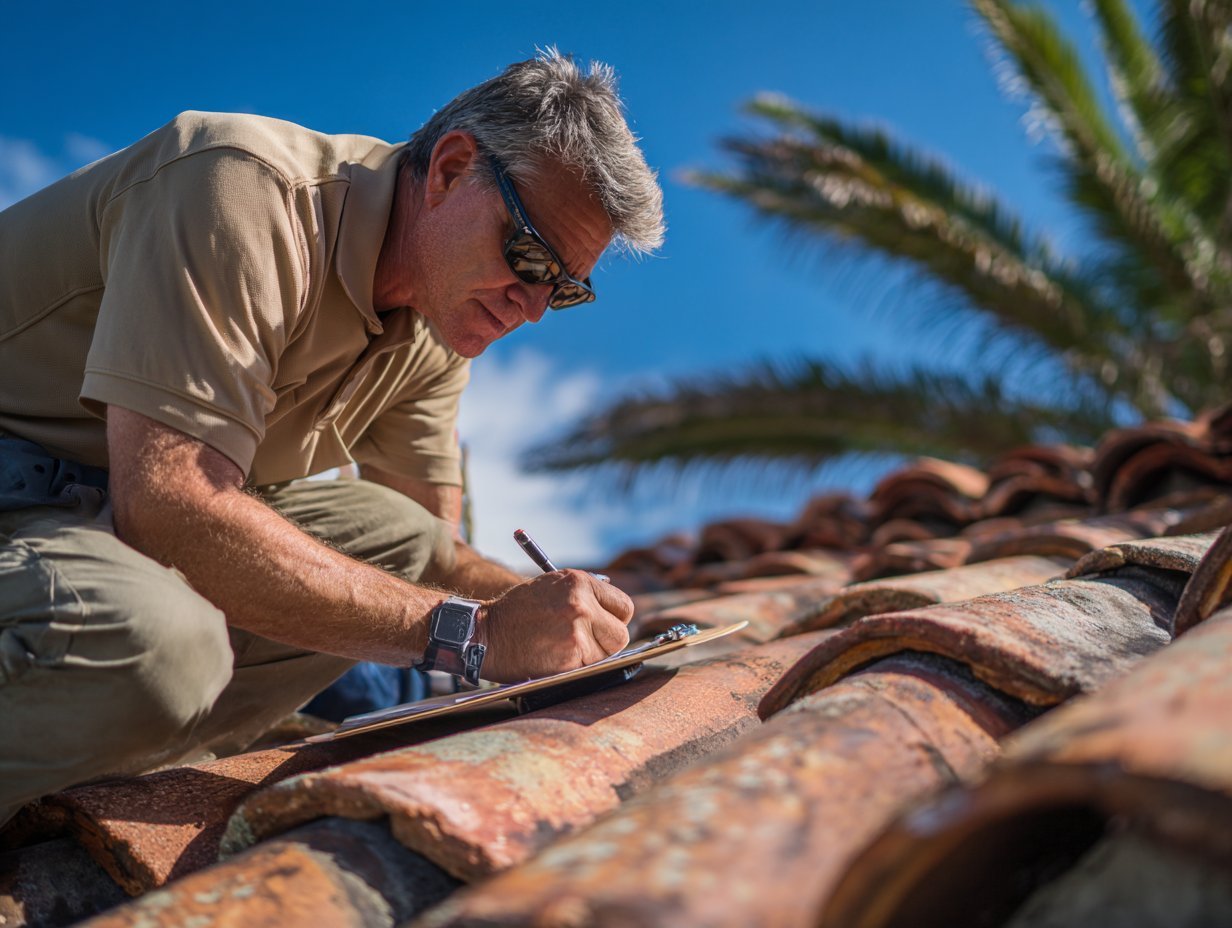
During roof inspections, these metal components get special attention. A twenty-year roof is only as good as its flashing, and coastal flashing often needs replacement at the ten to fifteen-year mark.
Shingle Degradation Patterns
Asphalt shingles in coastal Florida face a triple threat: intense UV radiation, salt air, and high humidity. The combination accelerates granule loss and makes shingles brittle faster than manufacturer warranties suggest.
Algae and mold growth is also more prevalent near the coast. Those black streaks running down roofs aren’t just cosmetic—they indicate organisms that are slowly digesting the roofing material.
Attic and Soffit Issues
High humidity means moisture finds its way into attic spaces through soffit vents. In a properly ventilated attic, this usually isn’t a problem. But blocked soffit vents, inadequate ridge ventilation, or bathroom fans venting into the attic create moisture accumulation that leads to:
- Mold growth on sheathing and rafters
- Rusted roofing nails that work loose
- Degraded insulation losing R-value
- OSB sheathing that swells and delaminates
Inspectors in Sarasota spend extra time in attics looking for these humidity-related issues that are far more common within coastal zones.
Windows and Doors: The First Line of Defense
Impact-rated windows and doors are common in coastal Sarasota, but salt air still finds ways to cause problems.
Frame and Hardware Corrosion
Aluminum window frames oxidize and pit in salt air. The white chalky substance that forms on older aluminum windows is aluminum oxide—the frame literally dissolving over time. Hardware corrodes, making windows difficult to open and locks unreliable.
Even vinyl frames aren’t completely immune. The hardware, hinges, and locking mechanisms are still typically metal, and these components fail years earlier in coastal environments.
Seal Failure and Fogging
The seals on double-pane windows fail faster in coastal conditions. The constant UV exposure breaks down seal materials, and temperature cycling from AC use to outdoor heat stresses the bonds. Once seals fail, moisture enters the space between panes, causing permanent fogging.
Inspectors check every window for:
– Seal integrity (fogging between panes)
– Hardware operation
– Frame condition and corrosion
– Weather stripping effectiveness
– Proper drainage in sliding door tracks
What Coastal Homebuyers Should Know
Understanding these challenges doesn’t mean avoiding coastal properties—it means going in with realistic expectations and a proper inspection.
Request a Coastal-Experienced Inspector
Not all home inspectors understand the specific issues that affect Gulf Coast properties. Ask potential inspectors how many coastal homes they’ve inspected and what they specifically look for regarding salt air damage.
Budget for Accelerated Maintenance
Systems and components that last fifteen to twenty years inland may only last ten to twelve years near the coast. Budget accordingly for:
– HVAC replacement every 10-12 years vs 15-18 years
– Water heater replacement every 8-10 years vs 12-15 years
– Exterior paint every 5-7 years vs 8-10 years
– Roof replacement 3-5 years earlier than rated lifespan
Understand Insurance Implications
Many of the issues inspectors find—corroded electrical, aging HVAC, deteriorating roofing—affect insurance eligibility and premiums. A thorough inspection helps buyers understand not just purchase price but ongoing ownership costs.
Maintenance Strategies That Actually Work
Living on the Gulf Coast doesn’t have to mean constant repairs, but it does require proactive maintenance.
Rinse Exterior Components
Monthly rinsing of outdoor AC units, electrical boxes, and exterior fixtures with fresh water removes salt deposits before they cause damage. It’s simple, free, and extends component life significantly.
Dehumidification Beyond AC
Standard air conditioning removes some humidity, but many coastal homes benefit from dedicated dehumidifiers or whole-house dehumidification systems. Keeping indoor humidity below 55% dramatically reduces mold risk and protects finishes and furnishings.
Regular Professional Inspections
Annual maintenance inspections catch developing problems before they become expensive repairs. This is especially important for:
– HVAC systems (twice yearly in Florida)
– Electrical panels and outdoor disconnects
– Water heater anodes and connections
– Roof flashing and penetrations
Warning Signs Every Coastal Homeowner Should Watch
Between professional inspections, homeowners can monitor their properties for early warning signs of salt air damage.
Electrical red flags:
– Flickering lights or intermittent power issues
– Burning smell near outlets or panels
– Discolored or warm outlet covers
– Outdoor lights that stop working frequently
HVAC warning signs:
– Reduced cooling capacity despite filter changes
– Increased energy bills without explanation
– Strange smells when the system runs
– Ice forming on refrigerant lines
– Water staining around air handlers
Plumbing concerns:
– Reduced water pressure over time
– Green staining on pipes or fixtures
– Frequent small leaks at connections
– Water heater making popping or rumbling sounds
Structural indicators:
– New cracks in stucco or drywall
– Doors or windows that suddenly stick
– Rust stains on exterior walls
– Soft spots in wood trim or fascia
Catching these issues early means repairs instead of replacements, and thousands of dollars saved over the life of your home.
The Bottom Line for Gulf Coast Home Inspections
Buying or maintaining a home in Sarasota means understanding that you’re in a challenging environment. The same elements that make coastal living appealing—water, warmth, and salt air—work against the structures we live in.
A thorough home inspection in Sarasota covers everything a standard inspection would, plus the specific issues that coastal conditions create. Inspectors who understand these challenges provide buyers with the information they need to make smart decisions and protect their investment.
Whether you’re buying a beachfront condo or a home several miles inland, salt air and humidity affect your property. The question isn’t whether these forces are at work—it’s whether you know what to look for and how to respond.
The Gulf Coast rewards those who respect its power and plan accordingly. That starts with understanding exactly what you’re getting into before you sign on the dotted line.